How to Bring an Abandoned Pool Back to Life
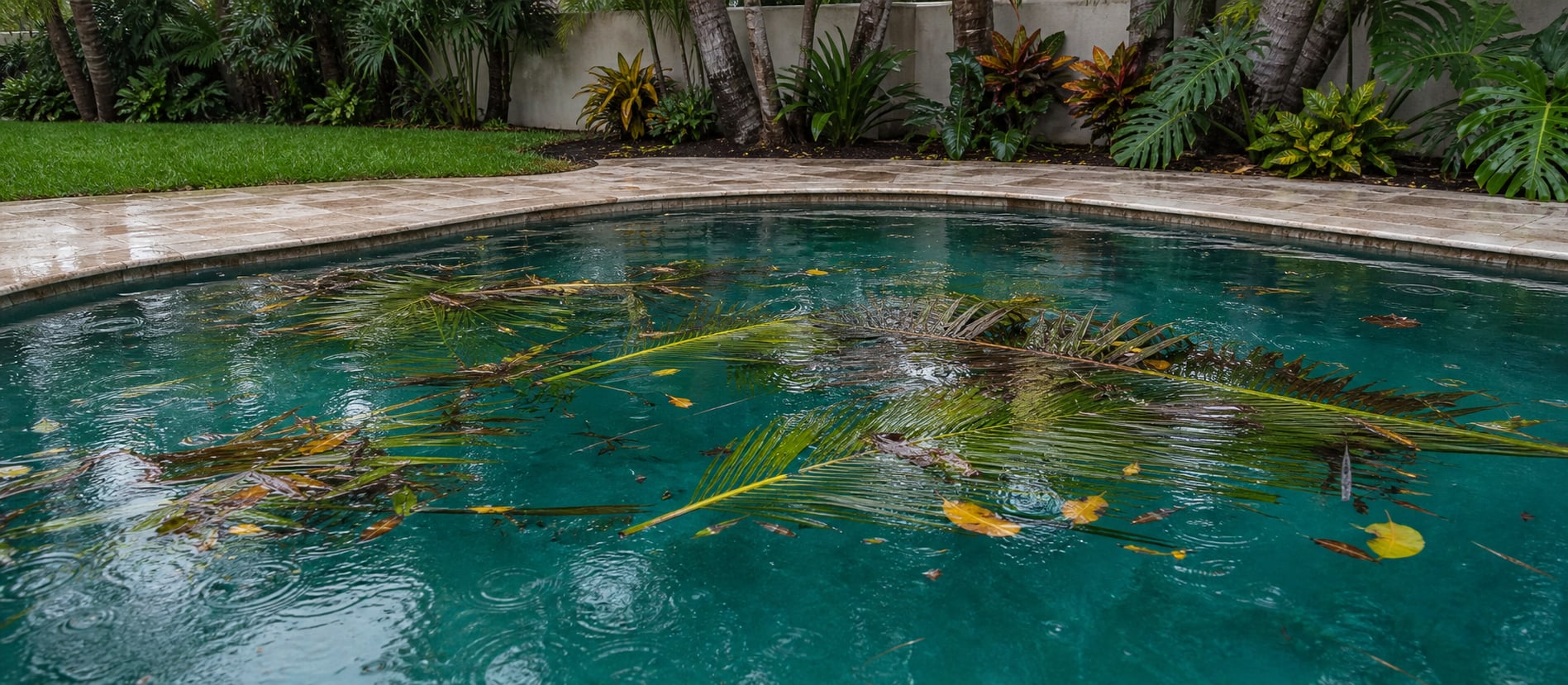
You bought a house and the pool came with it. Except it isn’t really a pool right now. It’s a dark green rectangle with a floating layer of leaves, a pump that hasn’t turned on since the last owner moved out, and stains you can see from the second floor.
The good news is that most of these are salvageable. I’ve watched pools that sat untouched for six years come back to genuinely beautiful. The bad news is you can’t shortcut it, and the order of operations matters a lot.
Quick clarification before we start: this is about a pool that’s been neglected for months or years. If your pool was fine two weeks ago and turned green after a storm, that’s a completely different and much cheaper problem. Don’t drain anything.
First, is it worth restoring?
Before spending a dollar, three things decide the answer.
The shell. Cracks that run through the structure, as opposed to surface crazing in the plaster, are the difference between a restoration and a rebuild. Structural cracks that leak are fixable but expensive.
The plumbing. Underground lines that have collapsed or been root-invaded mean digging. In older Miami neighborhoods with big ficus and banyan trees, this is common enough that we check for it early.
Your timeline. A restoration is two to four weeks of work. If you need a functioning pool this weekend, you need to reset expectations now.
For context, filling in a pool in Miami-Dade runs $4,000 to $15,000 and permanently deletes something buyers pay a premium for. Restoration is often the better financial decision even when the sticker shock says otherwise.
Step 1: Drain carefully, not quickly
This is the step people get wrong, and it’s the one that can turn a $5,000 job into a $30,000 one.
An empty pool has nothing holding it down. In South Florida, where the water table sits high and rises further during the wet season, groundwater pressure can literally float a pool shell out of the ground. It cracks, it shifts, and it is not repairable in any affordable way.
So: check the hydrostatic relief valve at the bottom of the pool before draining, drain during the dry season if you have the choice, and never leave a pool sitting empty longer than the work requires.
Once it’s down, you can see what you actually bought. Plaster condition, tile line, coping, skimmer throats, and the main drain all become visible for the first time.
Step 2: Deep clean and prep the surface
Years of neglect leave layers. Organic staining from decomposing leaves, mineral scale at the old water line, and algae that has physically embedded itself into porous plaster.
Pressure washing removes the loose material. Acid washing takes off a thin layer of the plaster itself along with the staining underneath, which is why it can only be done a limited number of times over a pool’s life. If the plaster is already thin, chalky, or exposing the gunite underneath, acid washing will make it worse and resurfacing is the honest answer.
Resurfacing a standard Miami residential pool typically runs $4,000 to $8,000 depending on finish. It’s the single biggest line item in most restorations.
Step 3: Assume the equipment is dead
A pump that sat unused for years has almost certainly seized. Seals dry out and crack, bearings corrode, and the motor windings may have absorbed moisture.
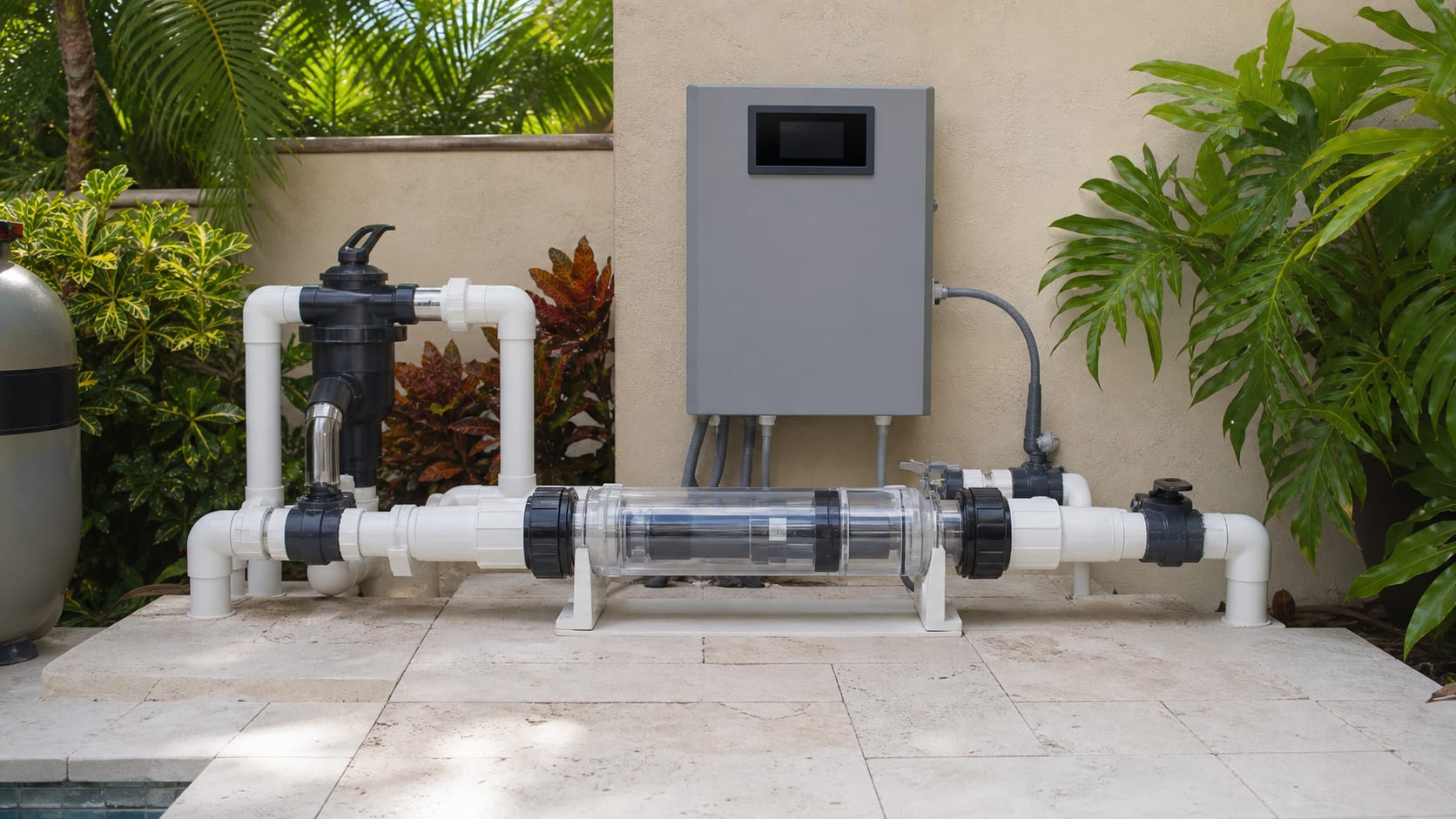
Filters fare a little better, though cartridges will be long gone and sand or DE media needs replacing regardless. Heaters are the most likely to be a total loss, since scale plus corrosion plus rodents in the cabinet is a common combination.
The upside is that you’re replacing 2005-era equipment with 2026 equipment. A modern variable-speed pump saves $220 to $260 a year against what was probably there before. If you’re specifying new gear, our rundown of the best pool pumps covers what we actually install.
We handle this stage through pool equipment installation.
Step 4: Pressure test the plumbing before you refill
Do not skip this. Refilling a pool with a compromised return line means watching thousands of gallons disappear into your yard and starting over.
Every line gets pressure tested individually: skimmer, main drain, returns, and any spa or water feature plumbing. Lines that hold pressure are fine. Lines that don’t get located and repaired, which our pool leak detection team does with acoustic and pressure equipment rather than by digging up the deck and guessing.
Older Miami pools frequently have at least one bad line. It’s not a sign the pool is doomed, it’s just part of the job.
Step 5: Refill and build the chemistry from scratch
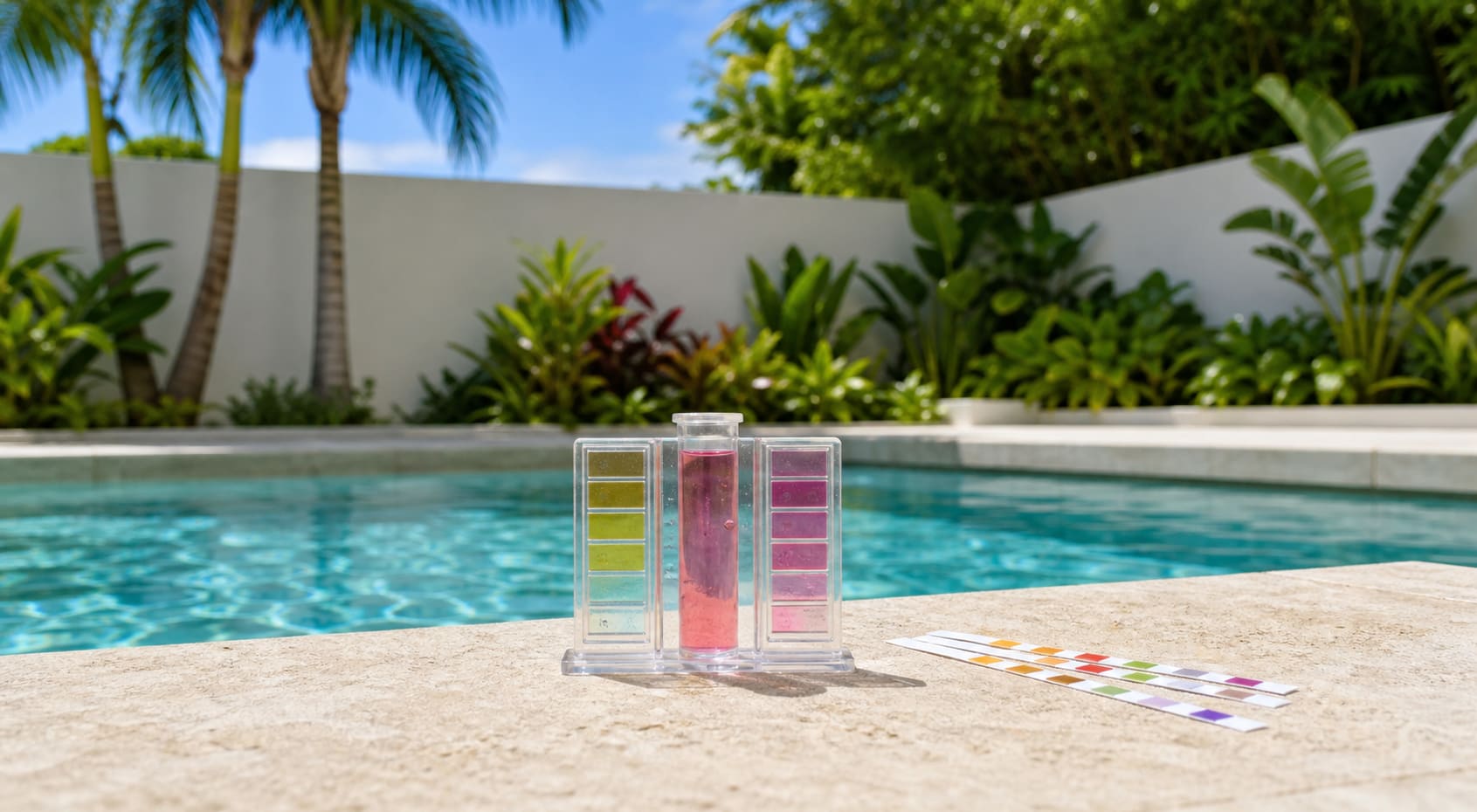
Fresh fill water in Miami-Dade tends to come in hard and with high alkalinity. So you’re not just “adding chlorine,” you’re building a chemistry profile from zero.
Order matters here. Total alkalinity first, because it’s what stabilizes everything else. Then pH. Then calcium hardness, which protects new plaster from being leached. Then stabilizer, then sanitizer.
New plaster also needs specific care for the first month, including daily brushing and tighter pH control than a mature pool requires. Getting this wrong leaves permanent mottling on a surface you just paid several thousand dollars for.
Step 6: Put it on a schedule immediately
This is the part that determines whether you do this once or twice.
Every abandoned pool we’ve restored got that way through the exact same mechanism, which is nobody looking at it consistently. In Miami’s climate, a pool with no attention goes from clear to green in under two weeks during summer. From green to genuinely neglected takes a season.
A weekly service plan protects what you just spent. It’s also the cheapest part of the entire process by a wide margin.
What it costs, roughly
- Structurally sound pool, working plumbing, new equipment: $3,000 to $6,000
- Same, plus resurfacing: $7,000 to $14,000
- Plus significant plumbing repair or structural work: $15,000 and up
Full breakdown of ongoing costs after restoration lives in how much pool maintenance costs in Miami.
Bringing Miami pools back
FloPool has restored a lot of these across Miami-Dade, from Kendall foreclosures to Coconut Grove properties where the pool disappeared under tree cover years ago. Our certified team handles the whole sequence, from the first structural look through the first month of new-plaster care.
If you’ve got a pool sitting idle, get in touch and we’ll come inspect it and tell you honestly what it needs.
Frequently Asked Questions
Need professional pool services in Miami?
Call FloPool at786-305-6556